what-is-a-ber-certificate-ireland
What Is a BER Certificate?
If you are buying, selling, renting or upgrading a home in Ireland, you have probably come across the term BER.
But what exactly is a BER certificate, what does the rating mean, and why does it matter?
A Building Energy Rating (BER) is an indication of how energy-efficient a home is. It is similar to the energy label you see on household appliances, but it applies to the building itself.
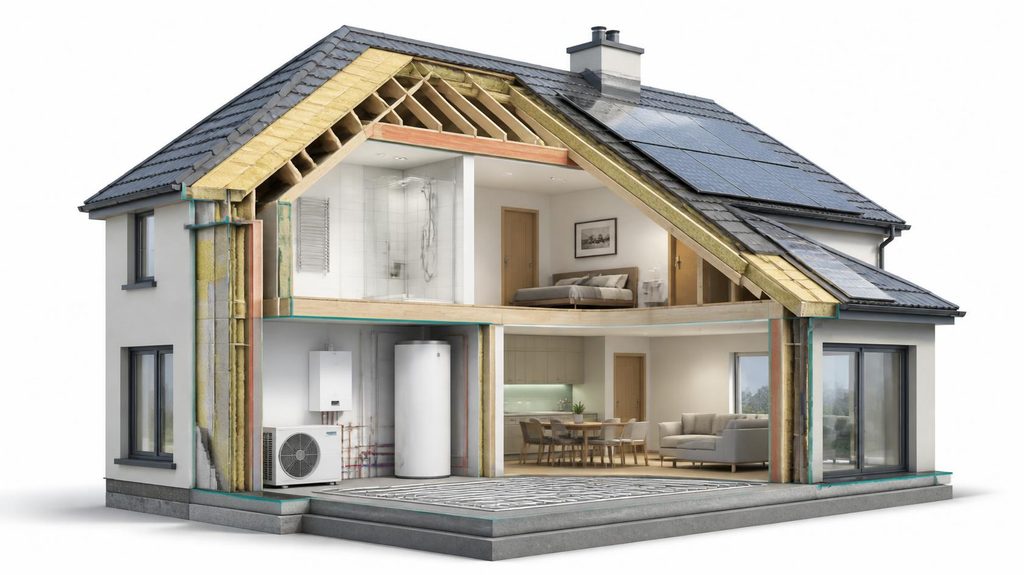
A BER assessment looks at the energy performance of a dwelling based on factors such as its construction, insulation, windows, heating system, hot water system and ventilation.
The result is an energy rating for the property, along with information that can help identify opportunities to improve its energy performance.
For homeowners, the BER can be useful when making decisions about selling, renting, renovating or improving the energy efficiency of a property.
What Does a BER Rating Tell You?
A BER rating gives an indication of the energy performance of a home under standardised assessment conditions.
The current domestic BER scale runs from A0 to G, with A0 representing the highest level of energy performance.
The rating is calculated using the information collected during the assessment and the DEAP methodology used for domestic BER assessments.
A rating is not simply based on how old or new a house looks.
Two houses that appear very similar from the outside can have different BER ratings because of differences in:
- Wall, roof and floor insulation
- Windows and doors
- Heating systems
- Hot water systems
- Heating controls
- Ventilation
- Renewable energy systems
- The construction characteristics of the property
This is why a proper assessment matters.
Why Do Homes Need a BER Certificate?
A BER certificate is an important part of the property process in Ireland.
In general, a BER certificate is required when a dwelling is being offered for sale or rent, subject to the applicable exemptions.
The BER provides prospective buyers or tenants with information about the energy performance of the property before making a decision.
It can also be useful to homeowners who are planning energy upgrades because it provides a starting point for understanding the property’s current performance.
If you are unsure whether a particular property requires a BER, it is best to check the current requirements or speak with a registered BER assessor.
How Is a BER Rating Calculated?
A BER assessment involves collecting information about the property and using it within the Dwelling Energy Assessment Procedure (DEAP).
During the assessment, relevant characteristics of the property are recorded.
Depending on the dwelling, this can include:
- Dimensions and floor areas
- Construction types
- Wall, roof and floor characteristics
- Insulation
- Windows and doors
- Heating systems
- Hot water systems
- Heating controls
- Ventilation
- Renewable energy technologies
- Other information relevant to the calculation
The information is then used to determine the property’s calculated energy performance.
The important point is that the BER is based on a standardised methodology. It is not simply an estimate of what the current occupants happen to spend on their energy bills.
Does Your BER Rating Equal Your Energy Bill?
No.
This is one of the most important things to understand about a BER.
A BER rating is based on a standardised assessment methodology. Your actual household energy use can be very different.
For example, two identical homes could have the same BER rating but different actual energy bills because the occupants use their heating, hot water and appliances differently.
Your BER should therefore be viewed as an indication of the energy performance of the dwelling, rather than a prediction of your exact household energy costs.
What Can Affect Your BER Rating?
Many parts of a property can influence its energy performance.
Insulation
The insulation levels in the roof, walls and floors can have a significant impact on how much heat is lost from a property.
Windows and Doors
The type and performance of windows and doors can affect heat loss and therefore contribute to the overall energy performance of the dwelling.
Heating System
The type, efficiency and controls of the heating system are important parts of the assessment.
Hot Water
The system used to heat and store domestic hot water can also influence the calculation.
Ventilation
Ventilation is another factor considered within the assessment. A home needs adequate ventilation, but the way a building is ventilated also has implications for energy performance.
Renewable Energy
Technologies such as solar or other renewable energy systems can influence the calculated energy performance of a property.
What Happens During a BER Assessment?
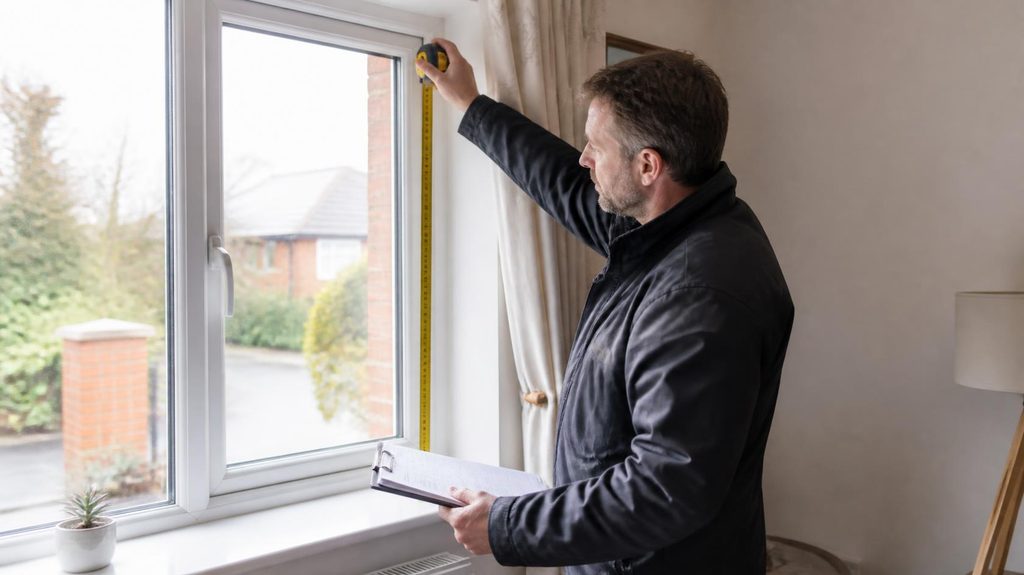
A BER assessment starts with an inspection of the property.
The assessor collects the information needed to complete the assessment, which can involve taking measurements and recording details about the construction and energy systems within the home.
It is useful to have any relevant documentation available, particularly information relating to previous upgrades.
For example, you may have documentation relating to:
- Insulation upgrades
- Window replacements
- Heating system upgrades
- Solar installations
- Building works
- Previous BER assessments
Having useful documentation available can help the assessor establish accurate information about the property.
Once the necessary information has been collected, the assessment can be completed using the appropriate DEAP methodology.
What Do You Receive After a BER Assessment?
A completed BER assessment results in a BER certificate showing the property’s energy rating.
Depending on the assessment, you may also receive an Advisory Report containing information about potential energy improvements.
This can help you understand where improvements may be possible and what types of upgrades could potentially improve the property’s energy performance.
A BER can therefore be more than something you simply need when selling or renting a property.
It can also provide useful information when planning future improvements.
How Long Is a BER Certificate Valid?
A BER certificate is generally valid for up to 10 years, provided there are no changes to the dwelling that would affect its energy performance.
If significant energy-related changes are made to the property, a new assessment may be appropriate.
If you are unsure whether an existing BER is still suitable for your circumstances, speak with a registered BER assessor.
What Should I Do Before My BER Assessment?
You don’t need to turn your house upside down before an assessment.
However, having useful information available can make the process easier.
If possible, have access to:
- Previous BER certificates
- Details of insulation work
- Information about heating systems
- Details of window or door replacements
- Documentation for renewable energy systems
- Building or renovation information
- Any other documentation relating to energy upgrades
It is also helpful to make sure the assessor can access the relevant areas of the property.
Can a BER Be Improved?
Yes.
If your property has a lower energy rating than you would like, there may be opportunities to improve its performance.
The right improvement depends on the property.
Possible upgrades can include:
- Improving insulation
- Upgrading windows
- Improving heating systems
- Installing appropriate heating controls
- Improving hot water systems
- Adding renewable energy technologies
- Addressing other energy-efficiency weaknesses
However, it is important not to assume that the most expensive upgrade is automatically the best one.
A proper assessment of the property can help you understand where improvements may be most appropriate.
BER Assessments in Mayo and Nationwide
Homecert is based in Louisburgh, Co. Mayo, with strong knowledge of homes and construction across West Mayo.
We provide BER assessments and energy-related services to homeowners and property professionals nationwide across Ireland.
Our approach is straightforward: accurate information, proper technical assessment and clear communication.
Whether you are preparing a property for sale, renting out a home, planning improvements or simply want to understand its energy performance, we can help.
Frequently Asked Questions
Is a BER certificate required when selling a house?
In general, a BER certificate is required when a dwelling is offered for sale, subject to applicable exemptions.
Is a BER required for renting?
In general, residential properties offered for rent require a BER, subject to applicable exemptions.
Does a BER tell me exactly how much my energy bills will be?
No. The BER uses a standardised methodology and does not represent your household’s actual energy consumption.
Who carries out a BER assessment?
A BER assessment must be carried out by an appropriately registered BER assessor.
How long does a BER certificate last?
A BER certificate can generally remain valid for up to 10 years, provided there have been no changes to the dwelling that affect its energy performance.
Can I improve my BER rating?
Yes. Depending on the property, improvements to insulation, windows, heating, controls and renewable technologies may improve energy performance.
Does an old house automatically have a poor BER?
Not necessarily. Age can influence the construction characteristics of a property, but the rating depends on the actual characteristics and systems recorded during the assessment.
Need a BER Assessment?
If you’re selling, renting, renovating or simply want to understand your home’s energy performance, Homecert can help.
Homecert Limited provides BER assessments, energy consultancy and technical services across Ireland.