
If you’ve never had a BER assessment carried out before, you might wonder what actually happens when the assessor arrives at your home.
A BER assessment is more than simply looking around the property and assigning it an energy rating.
The assessor collects information about the building and its energy systems, which is then used to calculate the property’s Building Energy Rating.
Here’s what you can expect.
1. The Property Is Surveyed
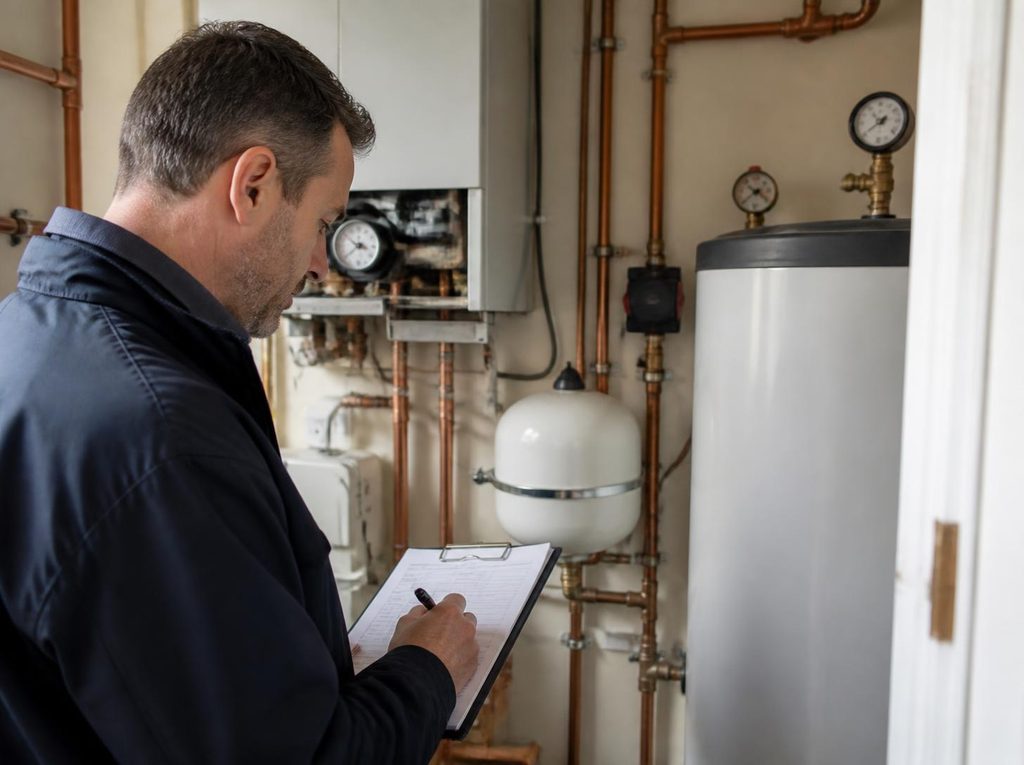
The assessment begins with an inspection of the property.
The assessor collects information about the size and layout of the dwelling, along with relevant details about its construction.
This can include:
- Floor areas and dimensions
- Walls, floors and roof construction
- Insulation
- Windows and doors
- Heating systems
- Hot water systems
- Ventilation
- Renewable energy systems
The more accurate the information collected, the more reliable the resulting assessment.
2. Construction and Energy Details Are Recorded
Where possible, the assessor will establish what materials and systems are present in the property.
If you’ve carried out renovations or upgrades, documentation can be particularly useful.
For example, information about insulation, windows, heating systems or previous building work may help establish the property’s characteristics.
3. The Information Is Used in the DEAP Assessment
The information collected during the survey is used in the Dwelling Energy Assessment Procedure (DEAP).
DEAP is the methodology used for domestic BER assessments in Ireland.
It allows the property’s energy performance to be assessed using a standardised approach.
This means a BER isn’t simply based on the homeowner’s current energy bills or how much heating they happen to use.
4. Your BER Is Calculated
Once the relevant information has been collected and assessed, the property’s energy performance can be calculated.
The result is the property’s BER rating, along with information about its energy performance and carbon emissions.
The current domestic BER scale runs from A0 to G.
What Should You Have Ready?
You don’t need to prepare your house like an inspection for sale.
However, if you have documentation relating to energy improvements, it can be useful to have it available.
This could include:
- Previous BER certificates
- Insulation information
- Window specifications
- Heating system details
- Solar installation information
- Renovation or extension documentation
- Other records relating to energy upgrades
Access to relevant parts of the property is also important.
What Happens After the Assessment?
Once the assessment is completed, the BER certificate can be issued through the appropriate process.
Depending on the property and assessment, you may also receive an Advisory Report highlighting potential energy improvements.
This can be particularly useful if you’re considering renovations or energy upgrades.
A BER isn’t just something you need when selling or renting. It can also help you understand where your property’s energy performance currently stands.

How Long Does a BER Assessment Take?
The time required can vary depending on the property.
A larger or more complex dwelling may require more information to be surveyed than a smaller, straightforward property.
The condition of the property, available documentation and complexity of its construction and energy systems can also affect the assessment.
Your assessor can give you a better indication based on your particular property.
Why Accuracy Matters
A BER should be based on accurate information about the property.
Guessing where information can be properly established can affect the quality of the assessment.
At Homecert, our approach is straightforward: measure accurately, record carefully and apply the appropriate methodology.
Need a BER Assessment?
Homecert provides BER assessments and energy consultancy across Ireland, based in Co. Mayo.
If you need a BER for your home, rental property or sale, you can request an instant estimate online.