Getting a lower BER rating than expected can be frustrating, particularly if you’re preparing to sell your home or planning an energy upgrade.
But a low rating doesn’t necessarily mean there is one major problem with the property.
A BER is influenced by a combination of the building’s construction, insulation, heating systems, hot water, ventilation and other energy-related features.
Here are some of the common factors that can contribute to a lower rating.
1. Poor or Limited Insulation
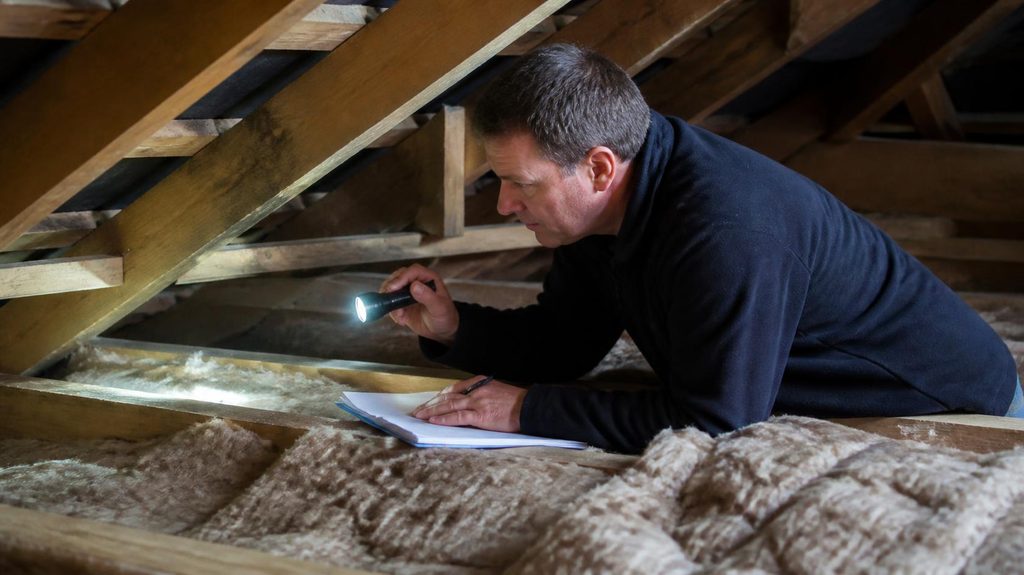
Insulation helps reduce heat loss through the building envelope.
Older properties may have limited insulation in areas such as:
- Roofs and attics
- External walls
- Floors
If significant heat is being lost through the building fabric, this can affect the property’s calculated energy performance.
2. Older Windows and Doors
Windows and external doors can also contribute to heat loss.
Older single-glazed or poorly performing windows may have a different energy performance from modern high-performance glazing.
However, replacing windows isn’t automatically the first improvement you should make.
The overall condition of the property should be considered before deciding where to invest.
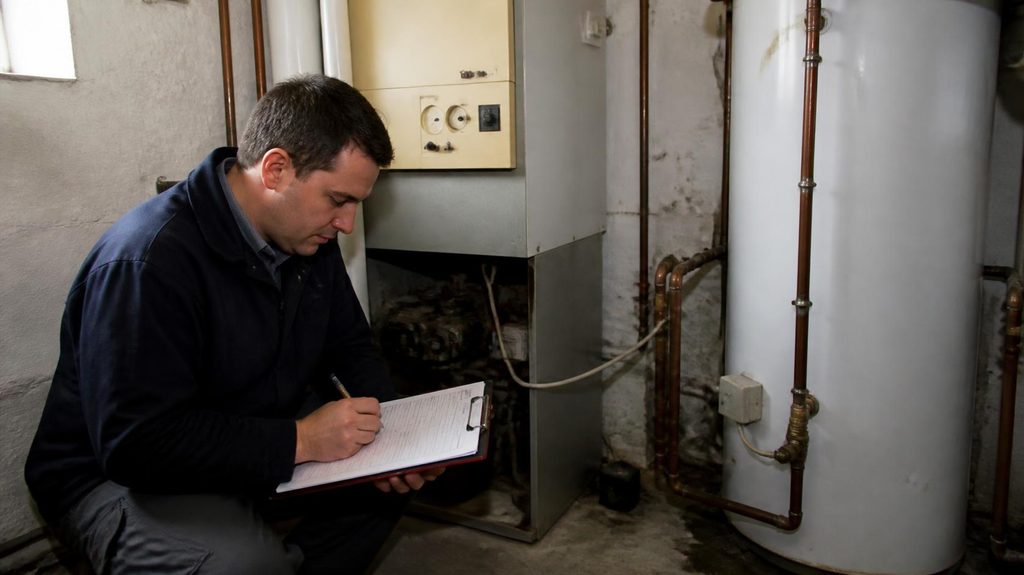
3. An Older or Inefficient Heating System
The heating system is another important part of the BER assessment.
Older boilers, electric heating systems or less efficient heating arrangements can contribute to a lower calculated rating.
Heating controls also matter.
Improving how a heating system is controlled can sometimes be an important part of improving overall energy performance.
4. Poor Hot Water Efficiency
The way hot water is generated and stored can also influence the assessment.
Older systems may have less efficient equipment or limited controls compared with newer installations.
5. The Building’s Construction
Older homes can have construction characteristics that differ considerably from modern buildings.
Traditional walls, older extensions, suspended floors and other construction types can all influence how the property performs.
This doesn’t mean an older house cannot achieve a good BER.
It simply means that its actual construction needs to be properly understood.
Can a Low BER Be Improved?
In many cases, yes.
Potential improvements could include:
- Increasing insulation
- Improving windows and doors
- Upgrading heating systems
- Improving heating controls
- Improving hot water systems
- Installing appropriate renewable energy technologies
But there is no universal upgrade package that works for every house.
The right approach is to understand why the property has its current rating first.
Don’t Guess at Your Improvements
If you’re considering spending thousands of euro on energy upgrades, it’s worth understanding what will actually make a difference to your property.
Your BER certificate and Advisory Report can provide useful information about potential improvements.
For larger projects, a technical assessment can provide additional guidance before work begins.
Need Help Understanding Your BER?
Homecert provides BER assessments and energy consultancy across Ireland, based in Co. Mayo.
If you’re concerned about your property’s rating or planning an upgrade, we can help you understand where you stand.